Written by Chris Phillips
Wow! The nostalgia overload from Super Touring Power and Super Touring Power 2 was overwhelming. It brought back all those epic memories: the noise, the spectacle, the cars, the drivers. It was epic, pure, and simple!

If you’re reading this, you will likely think as I do that Super Touring was definitely the BTCC’s golden age. Yet, there’s a burning question that’s divided fans, media, and even manufacturers for years. Was the championship better with aero or no aero?
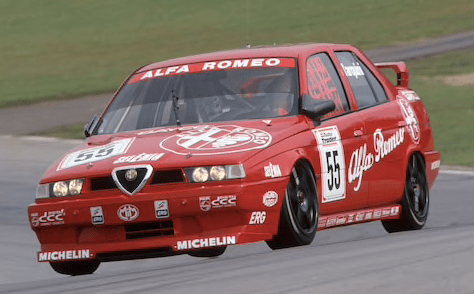
It all started to change when Alfa Romeo entered the championship in 1994. After exploiting a very clever interpretation of the rules, their 155’s came equipped with front and rear aerodynamic add-ons. After a very messy period of arguments, this eventually threw open the door for a whole new era of racing.
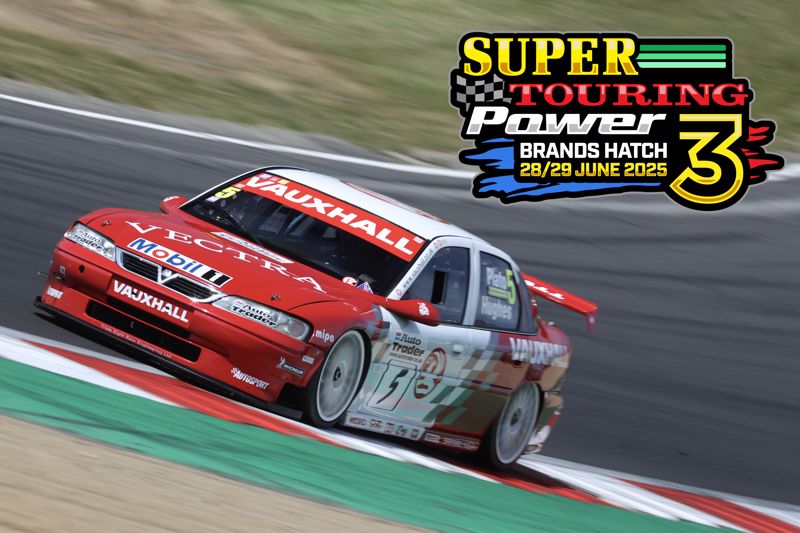
Sure, the introduction of aero in 1995 levelled the playing field, attracting so many manufacturers (10 in 1995 alone!). Cars got faster, grip increased, and the competition was fierce. Even Formula 1 teams – Williams and TWR – dived in. But, some argue all that downforce made overtaking much harder and that driver effort was mitigated.

The late 90s also saw a surge in exotic materials being used on the cars and even more complex engineering – such was the desire to win. Impressive, yes, but did it overshadow the driver’s skill? Maybe a little. Plus, those exotic parts came with a hefty price tag, which ultimately contributed to the downfall of the regulations. When the flag fell on the 2000 season, it was reported Ford’s budget ran into eight-figures.
RIP Super Touring, you beautiful beast.
Here’s where things maybe get interesting. Maybe splitting the era in two (pre-1995 and post-1995) is too simple. An easy split to make. Genesis, growth, explosion and then the end.
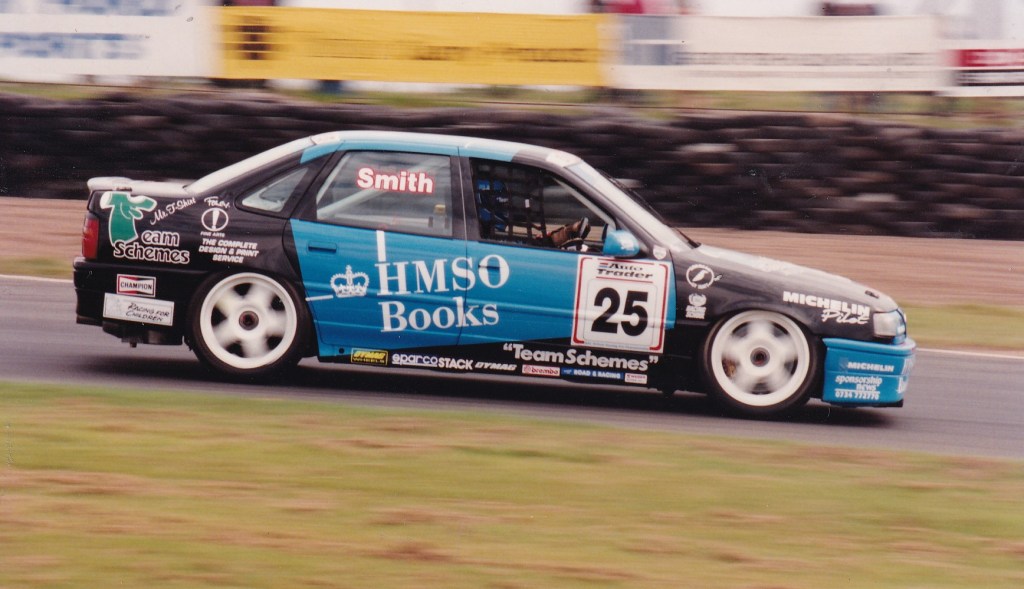
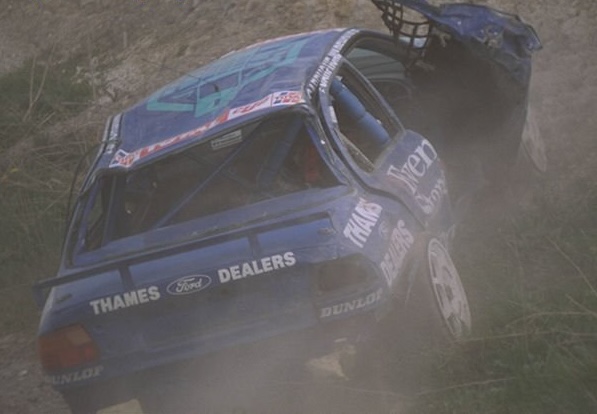
Here’s another question to add to the mix. What about those glorious H-pattern gearboxes, do you remember those days? More work for the drivers, epic in-car footage and the occasional struggle to find the right gear – that was the H-pattern life. This is when races were run back-to-back, with a 10 minutes break.
At the recent Super Touring Power 2, some of us noticed a surprising number of those early H-pattern cars. Sure, they weren’t as quick at the Nissan Primera, but maybe all those amazing late-90s machines are too complex to maintain for regular racing these days. Who knew historic racing would be a factor back then? At the time, the manufacturers didn’t care (why should they?)

Ultimately, what people will consider the “better” era is totally subjective. This debate will rage on forever, and that’s to be encouraged. It’s what makes pub conversations and online forums engaging (as long as everyone is respectful!).
What’s my choice? There was something about 1991 and 1992. Raw, impressive and unadulterated cars still give me fever. Do you prefer the raw, driver-focused pre-aero days? Or are you a fan for the high-tech, high-octane world of the late 90s? Let me know in the comments.
Let’s keep the Super Touring spirit alive!
P.S. Shameless plug alert! I’m a total Andy Rouse fan, and I run a Facebook page dedicated to his legendary career, including all those epic Super Touring moments with the Toyotas, Fords, and Nissans. The man was a true Super Touring pioneer.
Everyone welcome.


 1990sbtcc.com
Leave a comment